
 Gift Giving
 Schedule Appointment


 Medically reviewed and edited by: Chris Porter, OTR/L, CHT
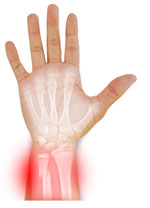 A wrist fracture, particularly a distal radius fracture, is a common injury that can significantly impact daily life. Whether from a fall, sports injury, or accident, recovering properly is essential to restore mobility, strength, and function. While time plays a crucial role in healing, occupational therapy can accelerate recovery, ensuring the wrist regains full strength and flexibility. In this guide, we will explore the healing process and benefits of occupational therapy.
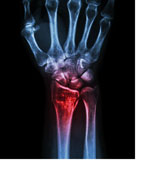 Healing from a broken wrist follows a structured process involving three major phases. The first stage, known as the inflammation phase, lasts from 0-7 days. During this time, the body works to form a blood clot around the fractured bone, and soft tissues begin repairing the injury. Patients typically experience swelling and pain as the body initiates its natural healing process.
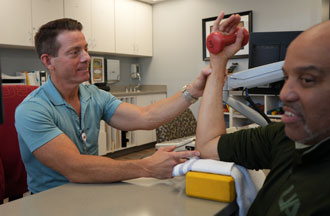
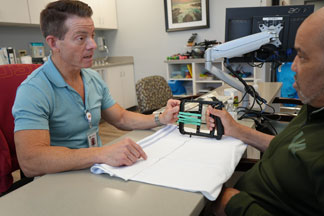
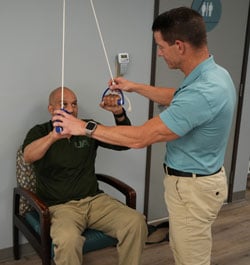
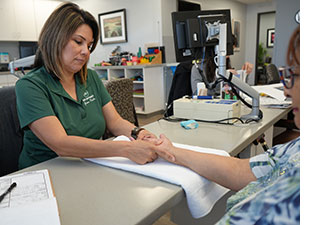 A fractured wrist may heal while immobilized in a plaster cast, but this can often lead to stiffness, muscle loss, and limited mobility. Engaging in occupational therapy is crucial to ensure a full recovery by:
 “Seeing an Occupational Therapist who can tailor and individualize a treatment plan based on your needs is essential to achieving optimal results.”
— Chris Porter, OTR, CHT
 A balanced approach of nutrition, rest, and exercise can significantly impact recovery. Consuming dairy products, leafy greens, and protein-rich foods can enhance bone repair. Avoiding smoking and excessive alcohol is crucial, as these can interfere with bone regeneration. Staying hydrated and engaging in safe rehabilitation exercises can further promote a successful recovery process. Supplements such as calcium, vitamin D and magnesium can also assist in bone growth; however, consulting your doctor beforehand is always a good idea.
For patients requiring surgical treatment, procedures such as internal fixation with screws or plates, percutaneous fixation or external fixation may be used to stabilize unstable fractures. Following surgery, occupational therapy helps manage pain, swelling, and stiffness, and promotes ROM and strength to regain functional use of your wrist and hand.
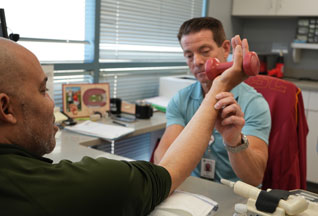
 Schedule an Appointment Today:
 Find a Physician
 About Us
 Careers
 Pay Your Bill
 Help Paying Your Bill
 Price Transparency