
 Gift Giving
 909.985.2811


Hand Expression
 Written by Chloe DePonte, RN, BSN, RNC-NIC, IBCLC Medically reviewed by Antoune Saad, MD
 Breast milk is an important resource for newborns, as it provides them with much needed nutrients and antibodies that support their growth and development. While breastfeeding is the most natural method of feeding a baby, there are circumstances where hand expression can be a useful skill to possess.
The practice of hand expression is an ability that can be beneficial for both mothers and healthcare professionals. It offers a practical and convenient method for expressing breast milk when other options are limited. With practice and patience, hand expression can become an effective tool in your breastfeeding journey.
Hand expression is a method of manually extracting breast milk without the use of a pump. It has been in use for many years and is still commonly used today. Hand expression can be an effective alternative when a breast pump is unavailable or if you prefer a more hands-on approach to milk expression.
There are various factors that may make hand expression preferable or necessary. 
Hand expression is an effective method for relieving breast engorgement, which is a common concern for new mothers when their breasts temporarily become excessively full and uncomfortable.
Hand expression can help stimulate milk production and increase milk supply, particularly during the early stages of breastfeeding when establishing a sufficient milk supply is vital.
Hand expression is commonly suggested for premature or sick infants who may experience challenges with breastfeeding or using a conventional breast pump.
Hand expression is a practical method for expressing milk in situations such as travel or emergencies, when access to electricity or a pump may be limited.
Expressing milk by hand: Step-by-step
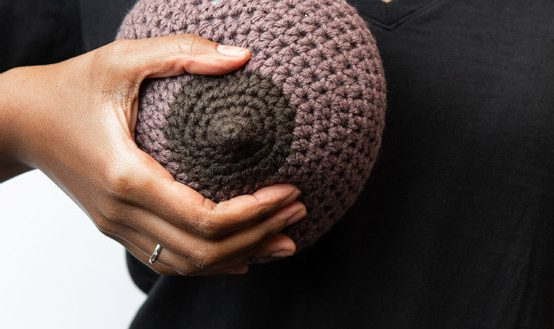
1. Position your thumb above the nipple and your fingers below the nipple about 1 to 2 inches behind your nipple. Your thumb and fingers will make the letter “C” shape.
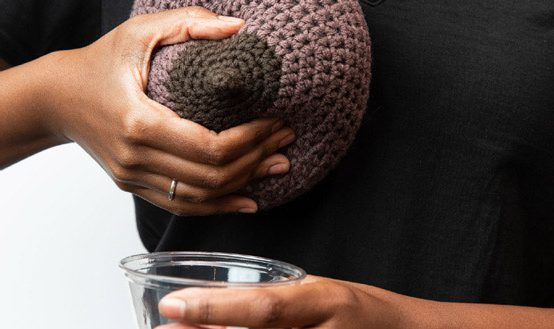
2. Press your fingers and thumb back toward your chest.
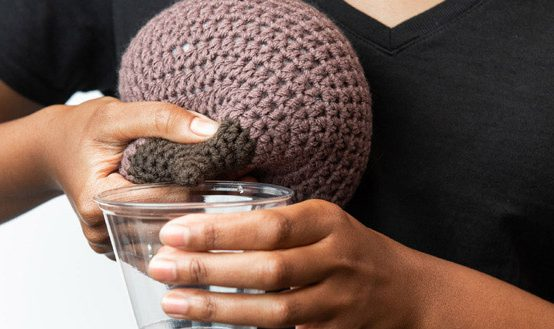
3. Gently compress your fingers and thumb together.
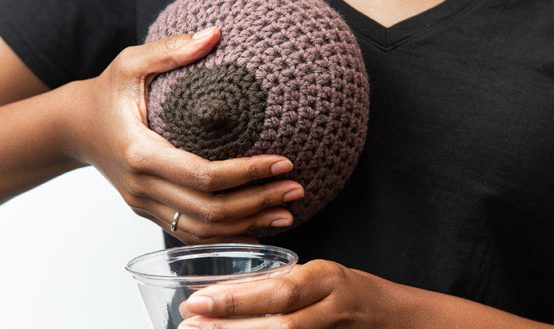
4. Release and then repeat in a rhythmic pattern: Press, Compress, Release. Continue until the milk stops and then switch to the other breast. Source: CDC.gov
Hand expression requires practice and patience. The more you practice, the more skilled you will become. For the first couple of days you might experience only a few drops are being expressed and you may get discouraged, but that is perfectly normal. The more you practice and stimulate the more milk will come.
Creating a calm and stress-free environment is important for enhancing milk letdown. Stress and tension can have a negative impact on the milk ejection reflex (milk letdown).
 Every woman's breasts and milk flow vary, so it is important to experiment with different hand positions and pressures to determine the most effective technique for you.
To collect expressed milk, use a clean container such as a clean bottle or breast milk storage bag. Remember to label and date it before storing it in the fridge or freezer for later use.
If you are having difficulty with hand expression or have any concerns about your milk supply, it is recommended to seek guidance from a lactation consultant or healthcare professional for support and assistance.
 Find a Physician
 About Us
 Careers
 Pay Your Bill
 Help Paying Your Bill
 Price Transparency